
§ Pediatrics · Pediatrics · Family Medicine
The Dark Side of Antibiotics in Pediatric Patients
Adverse Effects on the Infant Immune Defense
Reading · 4 min
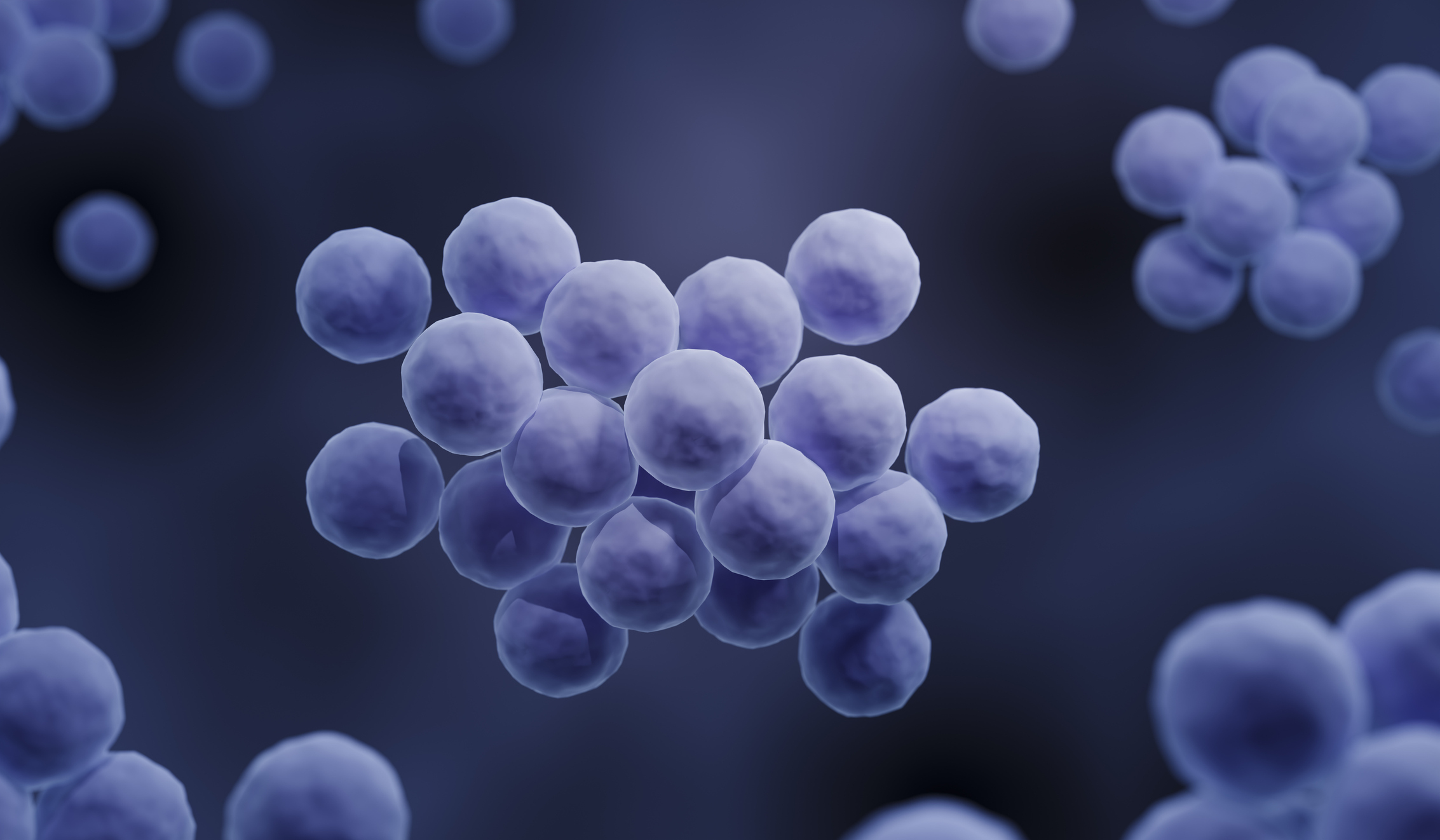
Antibiotics have saved countless lives, but unintended side effects exist. Infants exposed to antibiotics show increased susceptibility to diseases later in life. Antibiotics disrupt the balance of the developing microbiota.
Microbiota dysbiosis
Human microbiota comprises bacteria, fungi, and viruses. Bacterial microbes are vital in nutrient synthesis, immunity, and brain function. Infants may be exposed to maternal microbiota during the fetal stage, with significant transfer occurring around birth.
Impact on host defense against infection
Antibiotics cause microbial dysbiosis in infancy, leading to higher risk of diseases later. Studies link prolonged antibiotic exposure to increased risk of infections in infants.
Modulation of immune responses
Antibiotics influence innate immune cells like dendritic cells, NK cells, and ILCs. Dysbiosis affects the function and migration of these cells.
Adaptive immunity
Antibiotics can impair humoral responses crucial for vaccine immunity. T-cell immunity is also affected. Few studies have explored the effects on human infant immune cells. Our company is committed to supporting this research.
Conclusions
Antibiotics are essential but have consequences in infants. They change microbial ecology, affecting immune responses and increasing susceptibility to future infections. Understanding these effects is vital for better treatment strategies.