
§ Microbiome · ENT · Family Medicine
Understanding the Nasal Microbiome
A Comprehensive Review for Medical Professionals
Reading · 4 min
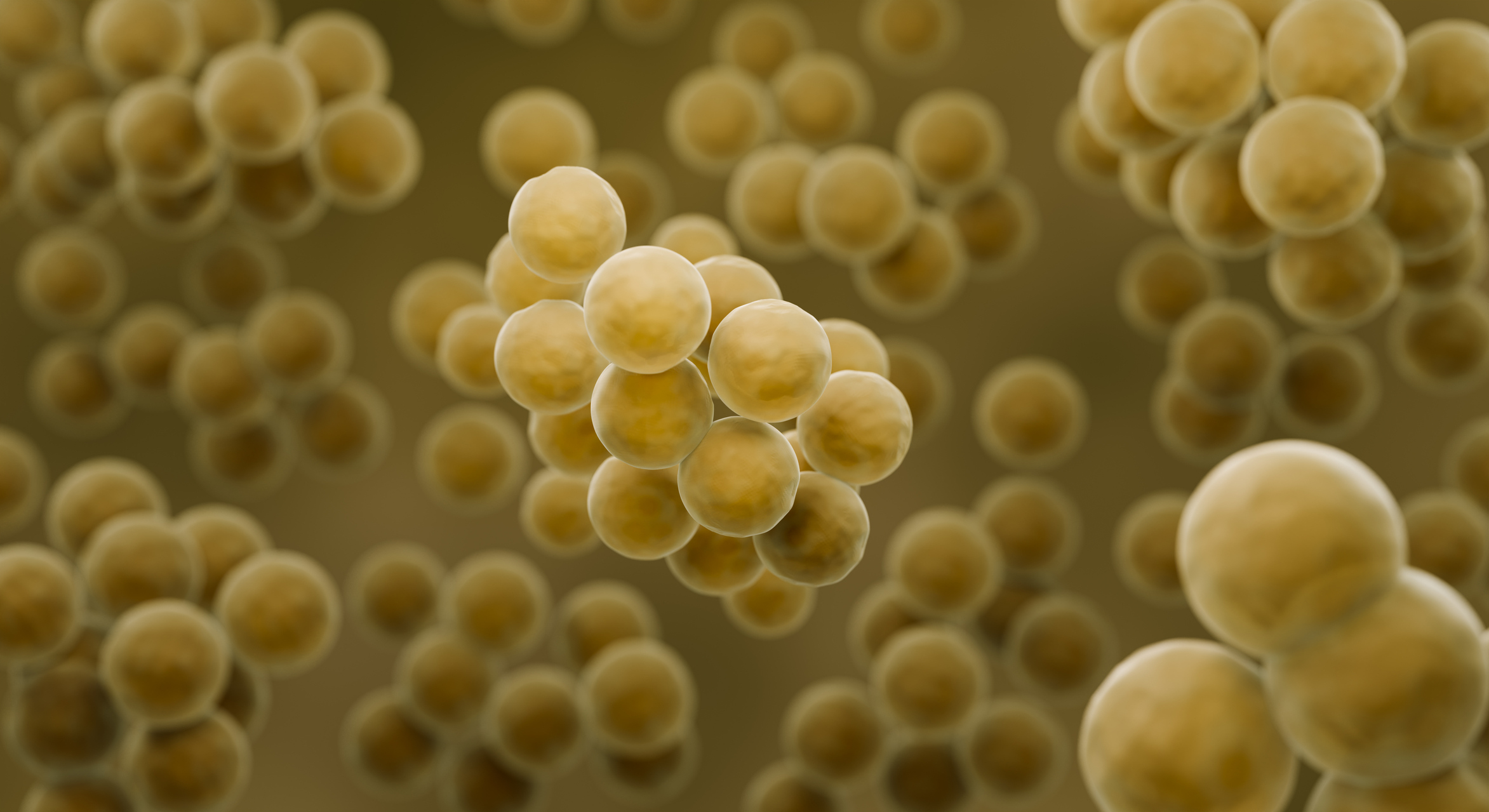
The nasal cavity has emerged as a significant reservoir for opportunistic pathogens, which can lead to various respiratory conditions, including allergic rhinitis, chronic rhinosinusitis, asthma, pneumonia, and otitis media.
Nasal microbiome and chronic rhinosinusitis (CRS)
Definitive evidence of bacteria's CRS role is lacking. However, studies show sinus infections elicit inflammation, chronic changes, and symptoms. CRS patients display distinct bacterial, gene, and immune patterns, with nasal dysbiosis indicating potential CRS contribution.
Corticosteroids and immunosuppressants
Corticosteroids effectively reduce inflammation and manage certain medical conditions, but they can significantly affect the nasal immune ecosystem. These medications suppress the immune response, with several adverse consequences in the nasal passages:
- —Immunosuppressive drugs weaken the immune system's ability to fight infections.
- —Corticosteroids can hinder the body's natural healing processes.
- —The nasal immune ecosystem depends on diverse commensal microorganisms that play a crucial role in maintaining health.
- —In addition to local effects, immunosuppressants can cause systemic side effects.
The infant immune perspective
Antibiotics have saved lives, but exposure in infancy may increase disease susceptibility later on by disrupting nasal microbiota balance and immature immunity, underscoring the need to educate communities on antibiotic effects.
Innate immunity
Antibiotics influence innate immune cells like dendritic cells, NK cells, and innate lymphoid cells (ILCs).
Adaptive immunity
Antibiotics can impair humoral responses crucial for vaccine immunity.